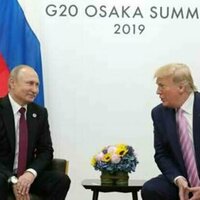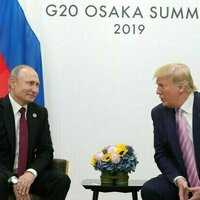


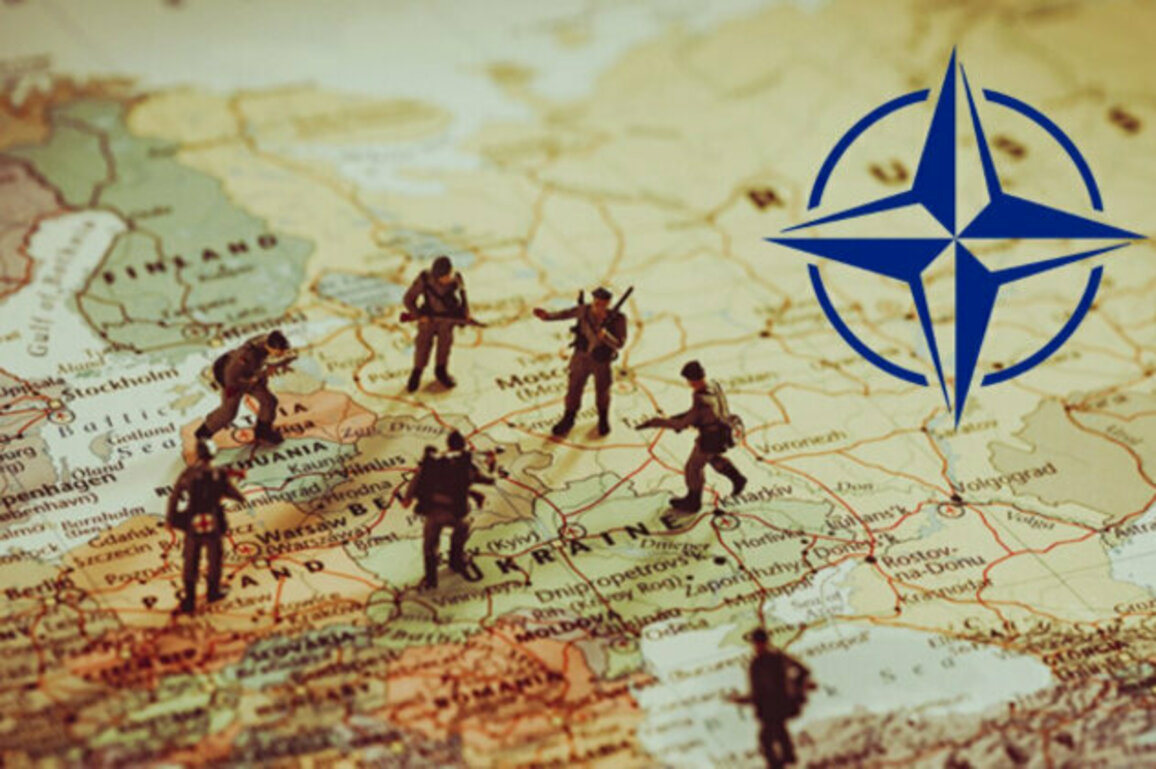
Russia has called for the withdrawal of NATO forces from Eastern Europe during the first round of negotiations with the United States aimed at ending the war in Ukraine, raising concerns among European governments about potential concessions from the Trump administration, the Financial Times reported.
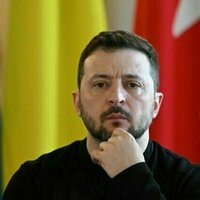
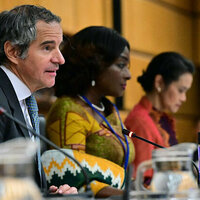
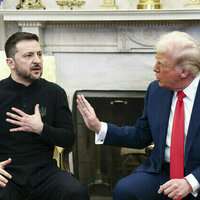
Romanian presidential chief of staff and national security adviser Cristian Diaconescu stated that the US delegation rejected Moscow's demand, but cautioned that Washington's stance could shift. He noted Trump's prior criticism of Ukrainian President Volodymyr Zelensky and his willingness to make concessions to Russia even before negotiations began.
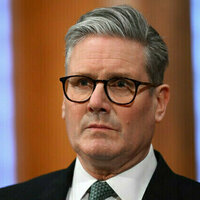
During talks in Riyadh earlier this week, Russian negotiators were unable to convince the US to agree to NATO's withdrawal, Diaconescu said. However, upcoming visits by British and French leaders to Washington aim to reinforce opposition to such concessions. Recent moves by the Trump administration?ruling out Ukraine's NATO membership and seeking normalization of US-Russia relations?have already unsettled Eastern European governments.
Russian President Vladimir Putin has long sought to restore Moscow's influence in Eastern Europe, advocating for an arrangement reminiscent of the Yalta Conference agreements of World War II. Before launching the invasion of Ukraine in 2022, Putin had made the withdrawal of NATO forces from former Soviet republics and ex-communist states that joined the alliance a key demand in negotiations with the US.
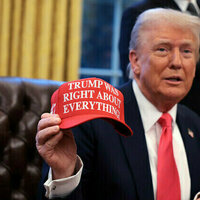
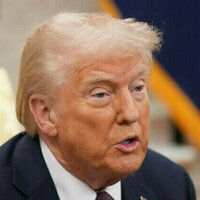
Trump further alarmed allies by echoing Putin's narrative that Ukraine's NATO aspirations triggered Russia's invasion. He also characterized Zelensky as a leader lacking democratic legitimacy and warned that Ukraine could soon lose its sovereignty if it did not agree to a peace deal.
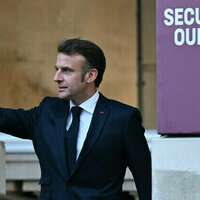
Romanian PresidentIlie Bolojan met with French President Emmanuel Macron in Paris to discuss the evolving situation. According to Diaconescu, European leaders intend to emphasize the necessity of their involvement in any security agreements that impact the region during their engagements with Washington. He described the circumstances as highly complex and serious, vowing that European nations would resist any NATO retreat from Eastern Europe.
Diaconescu warned that younger generations unfamiliar with life behind the Iron Curtain should recognize the gravity of the moment, comparing it to past hardships: fuel shortages, economic decline, inadequate healthcare, and government-controlled media.
Romanian military analyst Sandu-Valentin Mateiu, a former naval commander and intelligence officer, suggested that Europe is at another historical turning point, drawing parallels to the 1938 Munich Agreement, where concessions to Hitler failed to prevent World War II. He asserted that Europe will not permit another weakening of its security framework, even if the US alters its commitments.
According to Mateiu, Russia's longstanding objective has been to exclude the US from European security arrangements and reestablish its sphere of influence over Eastern Europe. While Washington has so far resisted these efforts, he predicted that Moscow will persist in pursuing this goal, as it has remained a central pillar of Putin's foreign policy since he came to power.