

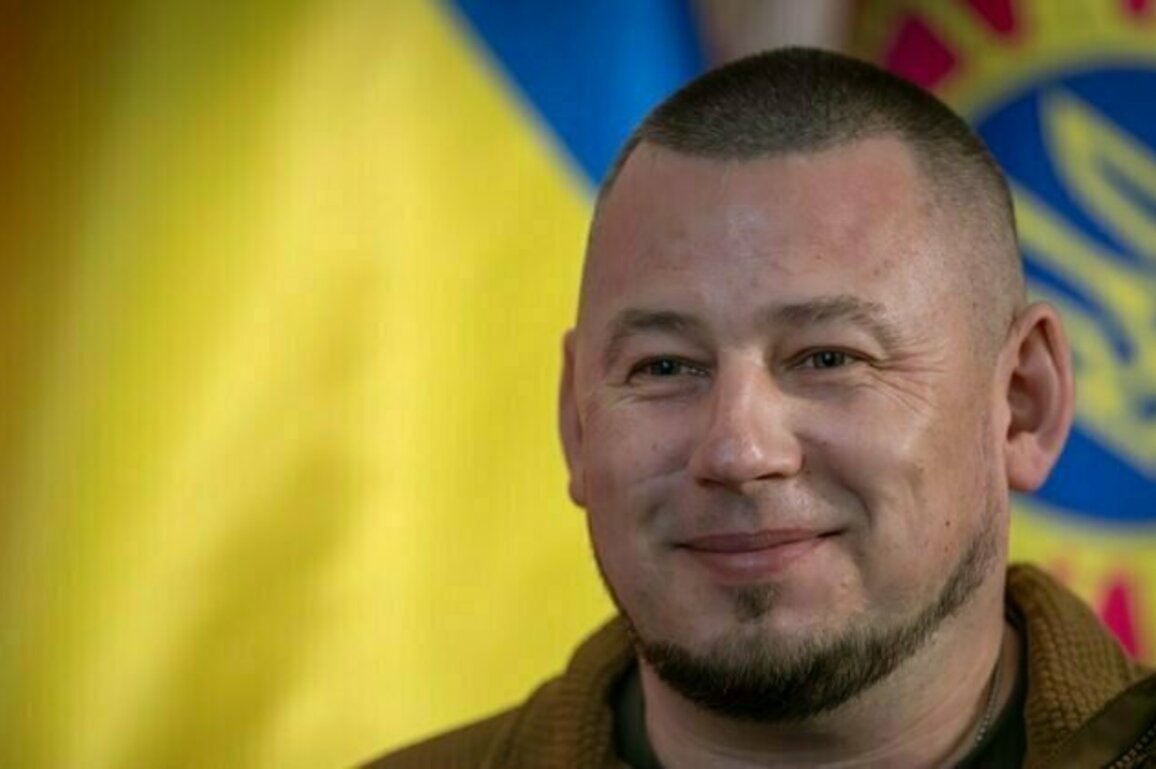
A Ukrainian military officer said Russian forces are preparing major advances lasting into next year as Moscow seeks to establish a buffer zone along the Ukraine-Russia border.
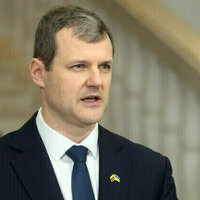
Colonel Pavlo Palisa told reporters in Washington on June 4 that Russia has set a goal of establishing the buffer zone by the end of the year and wants to seize the entirety of Donetsk and Luhansk by the end of September.
"It's interesting, but they have plans even for 2026. The plan for next year is to occupy the whole part of Ukraine which is situated on the left bank of the Dnipro River," he said after briefing US lawmakers and officials.
Another goal is to cut off Ukraines Black Sea access, he said.
Palisa, who is deputy head of President Volodymyr Zelenskyy's office, was part of a Ukrainian delegation that was in Washington as Kyiv pushes for stronger pressure against Moscow. He presented what he said were findings from Ukrainian military intelligence.
During the visit US President Donald Trump said that Russian President Vladimir Putin warned him by telephone of major retaliation over a daring Ukraine drone strike deep into Russia.
SEE ALSO:
Putin 'Strongly' Warns Trump Of Response To Ukraine's Drone Strikes On Russia's Air Bases
Russian drones early on June 5 struck apartment buildings in the Ukrainian city of Kharkiv, triggering fires and injuring 17 people, including two children, Regional Governor Oleh Synyehubov said.
Kharkiv Mayor Ihor Terekhov said seven apartment buildings had been damaged in the strikes, which occurred around 1 a.m. local time. One drone hit an apartment building on the 17th floor, another on the second floor, Terekhov said on Telegram.
The reports could not be independently verified. There was no immediate comment from Russia.
Kharkiv has been a frequent target of Russian drones and missiles in Russias full-scale invasion launched more than three years ago.
SEE ALSO:
Russia Hits Ukraine With Largest Air Attack Yet
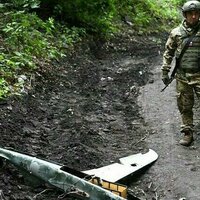
Ukrainian drone attacks on June 4 hit energy infrastructure in Russian-held parts of Zaporizhzhya and Kherson regions, knocking out power to tens of thousands of residents, Russia-installed officials said.
Vladimir Saldo, the Russia-appointed governor of Kherson region, said the attacks had left about 68,000 residents without power.
Yevgeny Balitsky, the Russia-appointed head of the Zaporizhzhya region, said energy sites came under attack and 10 drones had been downed. He provided no figures about the number of residents without power.
It was the second time this week that people in the Zaporizhzhya region were without electricity because of Ukrainian drone strikes.
Balitsky said on June 2 that more than 600,000 people in nearly 500 settlements across the region lost electricity after Ukrainian shelling damaged high-voltage infrastructure. He said then that emergency crews restored electricity quickly.
As the late-night attacks were reported, Russian Security Council Secretary Sergei Shoigu met with North Korean leader Kim Jong Un in Pyongyang. Kim told Shoigu that his country will unconditionally support Russia's war against Ukraine, North Korean state media reported on June 5.
North Korea confirmed in April that it provided troops to Russia to repel a Ukrainian incursion into Russias Kursk border region.
With reporting by AFP, Reuters, and AP