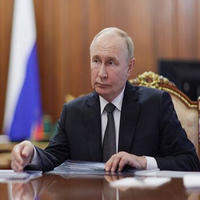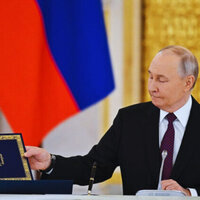


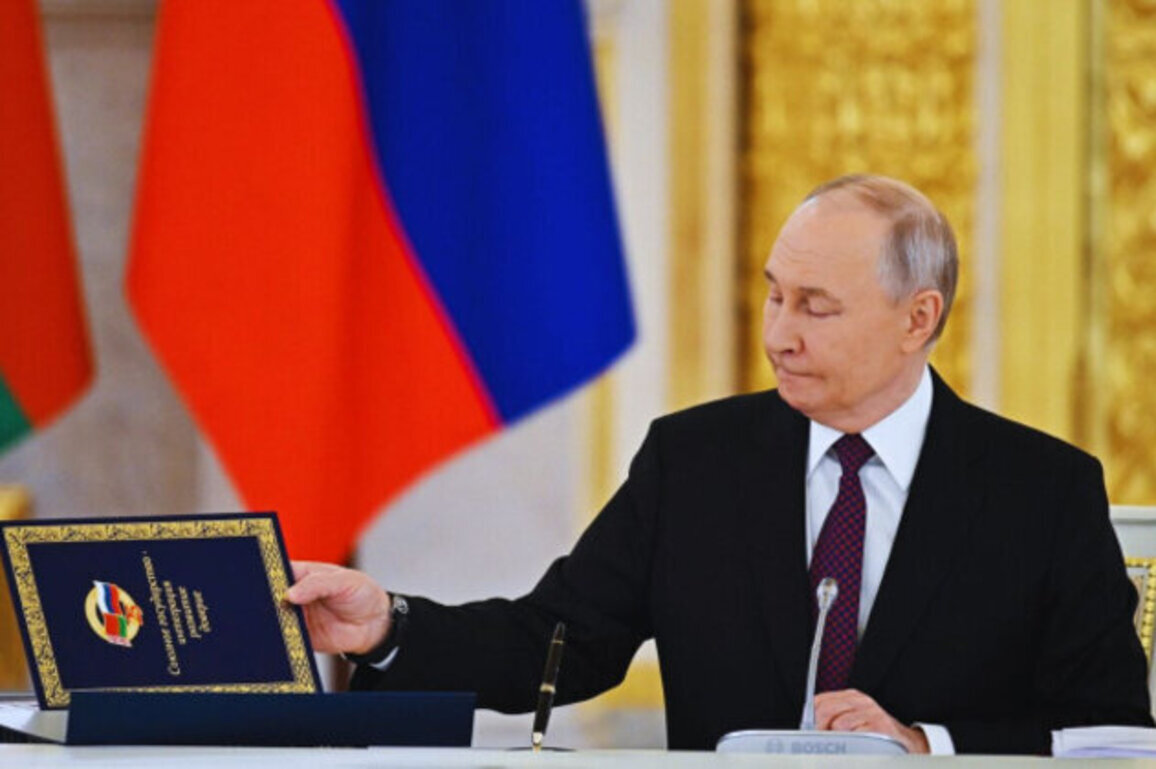
Russia's State Duma has approved legislation that would formally allow President Vladimir Putin to authorize military operations abroad under the stated goal of protecting Russian citizens facing legal action or alleged persecution in foreign countries.
The bill, passed by the lower chamber of Russia's parliament on May 13, grants the Kremlin the legal right to deploy troops outside Russian territory if Russian nationals are arrested, detained, investigated, prosecuted, or otherwise targeted by foreign governments, international organizations, or courts in which Moscow does not participate.
State Duma Chairman Vyacheslav Volodin defended the move by accusing Western governments of weaponizing legal systems against Russians abroad. ?Western justice has turned into a repressive machine for dealing with those who disagree with the decisions imposed by European officials,? Volodin said. ?In these circumstances, it is important to do everything to ensure that our citizens abroad are protected.?
The proposal was also backed by Defense Committee head Andrey Kartapolov, who argued that the legislation is necessary to counter what he described as growing ?russophobia? outside Russia.
Under Russian law, Putin now has 14 days to sign the bill before it officially enters into force.
The legislation has already triggered alarm in Ukraine and among European officials, many of whom see it as another step toward institutionalizing Russian expansionism. Moscow has repeatedly used the narrative of defending Russian speakers and Russian citizens abroad to justify military interventions, including the full-scale invasion of Ukraine launched in 2022.
At the time, the Kremlin claimed Russian-speaking populations in Ukraine were being oppressed and argued that military action was necessary to defend their rights. Russia has continued demanding the restoration of the Russian language and the Russian Orthodox Church's privileged status in Ukraine as part of any future settlement.
Ukraine sharply criticized the new law, describing it as an attempt to normalize aggression under legal cover. Ukrainian Foreign Ministry spokesperson Heorhii Tykhyi called the measure ?aggressive lawlessness.?
?By granting himself the unlimited right to use Russian occupation forces outside the country under the pretext of supposedly protecting Russian citizens, Putin is effectively admitting that aggression has become the norm of Russian state policy,? Tykhyi said.
He also accused the current Russian parliament of becoming ?a factory for legalizing political adventures, occupation and terror.?
The bill comes amid growing concern across Europe that Russia could eventually pose a direct military threat beyond Ukraine. European intelligence agencies and defense officials have increasingly warned that the Kremlin may seek to test NATO's resolve while Western military preparedness remains uneven.
Russian attacks during the war in Ukraine have already resulted in missiles and drones crossing into NATO territory on several occasions, prompting neighboring countries to increase defense spending and accelerate military modernization programs.
Ukrainian President Volodymyr Zelensky recently warned that the Baltic states could become future targets if Ukraine does not receive sufficient international support, though some Baltic officials later downplayed the immediacy of that threat.
Still, in Kyiv, the newly approved legislation is being viewed as another signal that the Kremlin is preparing the legal and political groundwork for future military actions beyond Russia's borders.
Sources:
- The Kyiv Independent
- POLITICO