

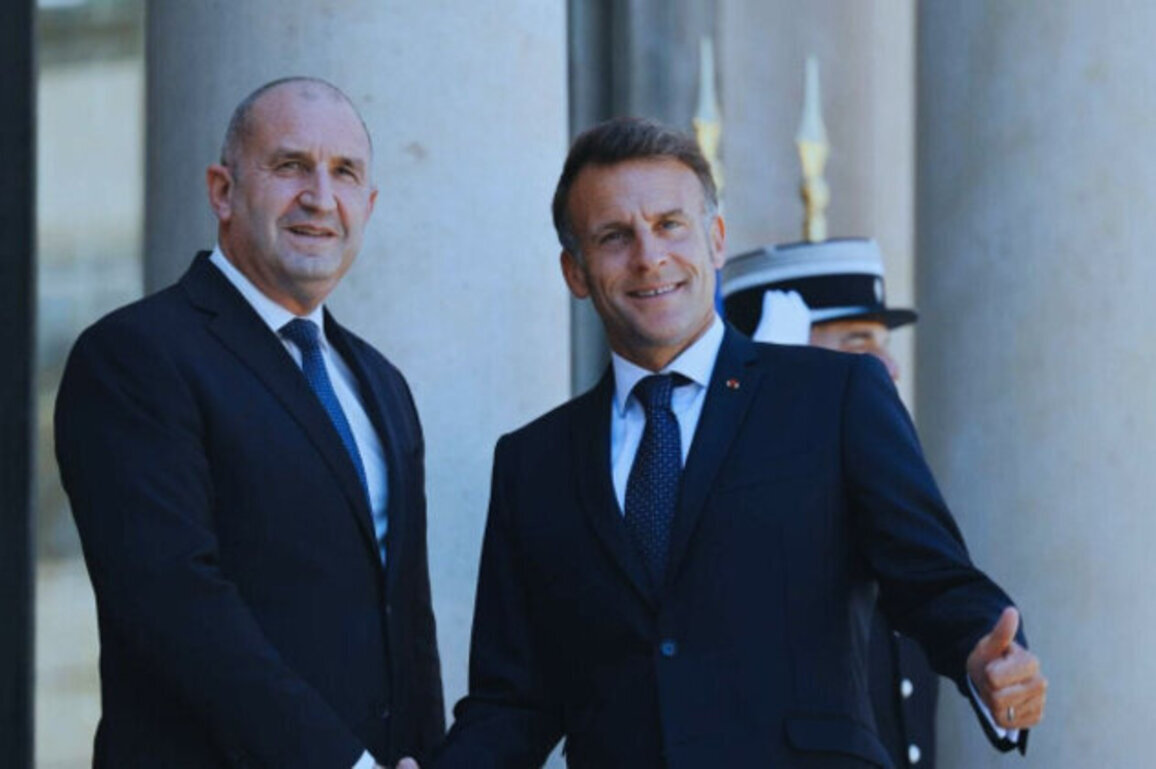
Bulgarian Prime Minister Rumen Radev used his first official visit to Paris as head of government to call for a fundamental shift in how Europe approaches the war in Ukraine, saying the continent had been too slow to take the lead on negotiations with Moscow and warning that the current trajectory risked nuclear escalation.
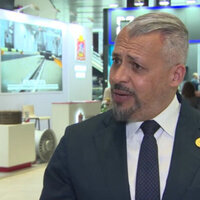
Speaking to journalists ahead of his meeting with French President Emmanuel Macron at the Elyse Palace, Radev was direct. "I would be glad to see Europe finally agreeing to start negotiations with Russia. Not only to start - Europe should have been the leader in these negotiations, not allowing them to be seized as an initiative by other, third players."
He went further, expressing concern about what he called Europe's pursuit of a conventional military victory over Russia. "What worries me personally is Europe's aspiration to achieve a conventional victory over the largest nuclear power without having the ability to intercept and counter modern hypersonic weapons. We must realize that what has been happening in recent days and the desire to have peace through force at all costs can lead to nuclear escalation. We are already very close to this."
On Bulgaria's own commitment to Ukraine, Radev acknowledged that Sofia had provided political, humanitarian, diplomatic and military support since the beginning of the full-scale invasion, but signaled that future allocations would be weighed against domestic priorities. "Bulgaria is interested in our government first ensuring the standard of living and security of Bulgarian citizens. Only then can we think about allocating additional funds on this topic," he said.
The remarks drew immediate criticism at home. Former Foreign Minister and current opposition MP Georg Georgiev described the statements as throwing Bulgaria's allies "into a cold shower," arguing that Radev's words implied an intention to revise or possibly suspend support for Ukraine. Georgiev warned that such signals, coming ahead of high-level talks in Brussels, would raise serious questions among European partners about Bulgaria's alignment with its allied commitments and its ability to distinguish between aggressor and victim.
The working lunch with Macron at the Elyse lasted nearly two hours. In a post published afterward, the French president said the two leaders had focused on defense and security, energy, and competitiveness, describing the meeting as part of a broader effort to build "a more sovereign and united Europe." Macron did not publicly address Radev's comments on Russia negotiations, though earlier in the week he had condemned Russian missile strikes on Ukrainian civilian targets, calling the use of the Oreshnik hypersonic ballistic missile a sharp escalation and describing Russia's war as having reached an impasse.
Beyond Ukraine, the bilateral agenda covered several practical matters. Radev pressed Macron on the delivery of 12 Alstom electric trains, which France is contractually obligated to deliver by the end of August, a deadline tied directly to Bulgaria's access to payments under the Recovery and Resilience Plan. He also confirmed ongoing cooperation in defense procurement, including contracts for 3D radar systems, next-generation howitzers, and armament for Bulgarian patrol ships. On energy, both leaders share a longstanding position that nuclear power should be classified as green and necessary, a view that underpins their cooperation on the Kozloduy nuclear plant, where French company Framatome recently delivered fresh fuel for Unit 6.
Radev also raised the issue of the inclusion of ethnic Bulgarians in North Macedonia's constitution, a process he said he first pushed for in 2021 and credits Macron with being the first European leader to support. He said he expected to secure French backing at the Paris meeting for full implementation of that framework.
From Paris, Radev continued to Brussels for a series of meetings with NATO Secretary General Mark Rutte, European Commission President Ursula von der Leyen, European Council President Antonio Costa, and Belgian Prime Minister Bart De Wever. Radev described De Wever as "the voice of reason in the European Council" and said the Brussels agenda would focus on Bulgaria's priorities in the EU budget, cohesion and agricultural policy, and removing barriers to Recovery and Resilience Plan payments.
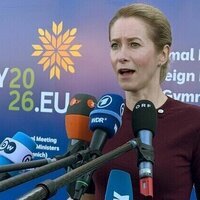
Radev's Paris visit came as EU foreign policy chief Kaja Kallas argued that Russia was not yet in a strong enough position to be pushed meaningfully toward negotiations, and that China could play a role in applying that pressure. The European Commission, for its part, said any discussion about appointing an EU envoy to peace talks should wait until Russia demonstrated genuine willingness to end the war. Radev's position sits at some distance from both of those stances and how Bulgaria navigates that gap in Brussels will be worth watching.