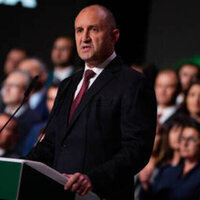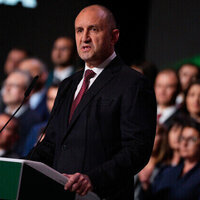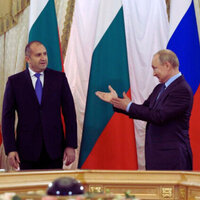


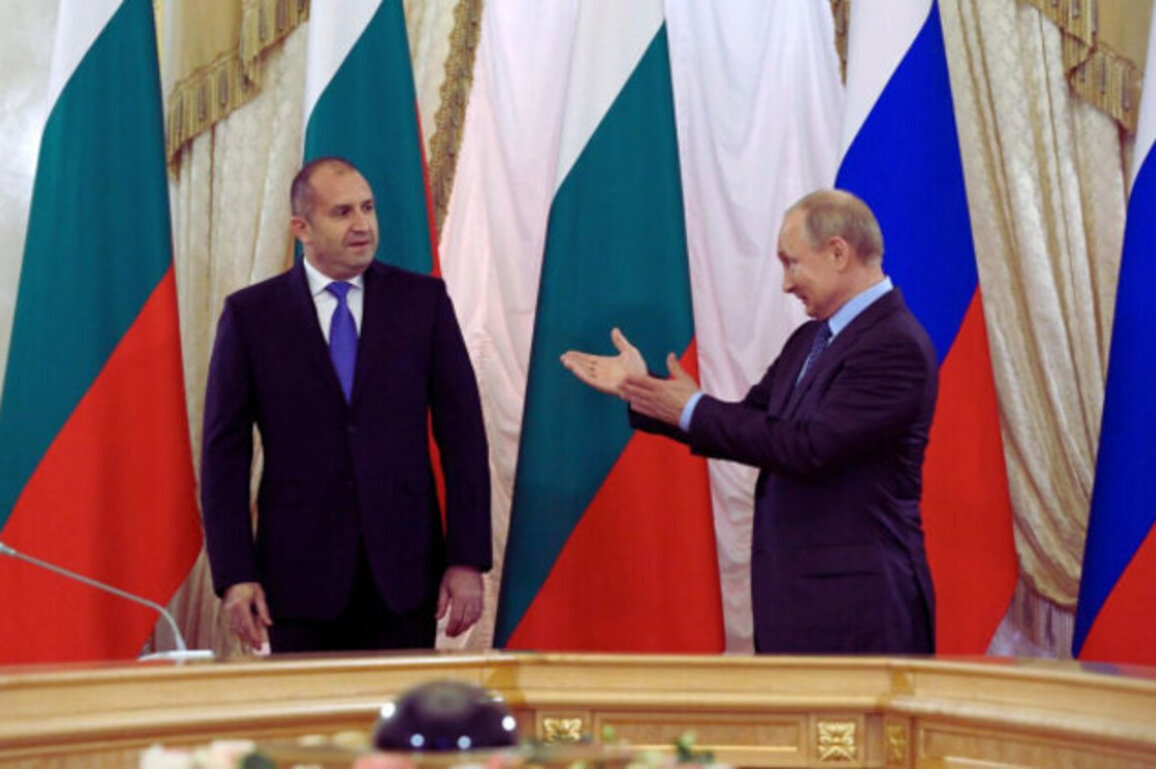
The Kremlin has issued its first public reaction to Rumen Radev's election victory, signaling a positive response to his statements about maintaining pragmatic dialogue with Moscow.
Asked to comment on Western media descriptions of the leader of ?Progressive Bulgaria? as ?Putin's Trojan horse,? Kremlin spokesman Dmitry Peskov said Moscow was focused instead on Radev's declared readiness for communication with Russia. According to Peskov, what stood out was Radev's position that he remains open to ?pragmatic dialogue? with Moscow.
The Kremlin welcomed what it described as a willingness to seek solutions through conversation rather than confrontation. Peskov noted that statements by Radev, as well as similar remarks by other European leaders, aimed at resolving disputes through dialogue with Russia are viewed positively in Moscow.
He stressed that Russia sees such an approach as constructive, particularly when it comes to restoring channels of communication and addressing the current tensions between Sofia and Moscow. ?The desire for pragmatic dialogue? was described as an important signal, and the Kremlin said it supports efforts to resolve existing problems in bilateral relations.
At the same time, Peskov cautioned against interpreting this as a broader shift in Europe's overall position toward Russia. He said it was still too early to speak of any full-scale ?warming? of relations, pointing out that strong critical messages continue to come from Brussels and other European institutions.
Following his victory, Radev himself addressed the issue of dialogue with Moscow, arguing that such positions are no longer isolated and are increasingly being voiced by other European leaders as well. He pointed to French President Emmanuel Macron and others, saying that Europe must act pragmatically, particularly when it comes to securing resources, energy stability and maintaining economic competitiveness.
According to Radev, the discussion is not simply political, but also tied to Europe's long-term strategic interests and the need for realistic solutions in a changing international environment.