

NEW YORK CITY, New York: Kalshi and Polymarket are reporting a sharp increase in suspicious trading as prediction markets attract more users and trading volumes soar.
The surge is testing the platforms' compliance systems and drawing greater attention from regulators and lawmakers concerned about insider trading and market manipulation.
According to sources familiar with the matter, Kalshi has investigated and flagged more than 400 suspicious trades since the start of the year, more than double the number it reviewed during all of last year. Some of those trades were referred to the Commodity Futures Trading Commission, or CFTC.
Polymarket has also seen a significant rise in flagged trades, according to another source. "In the world of corporate insider trading, it is often relatively easy to identify the parties with access to material nonpublic information who might trade in violation of the law," said Joseph Grundfest, professor at Stanford Law School and a former commissioner of the Securities and Exchange Commission. "But equivalent data is often very difficult or impossible to collect in connection with some prediction markets."
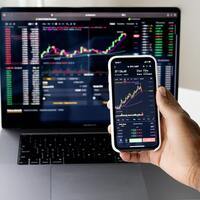
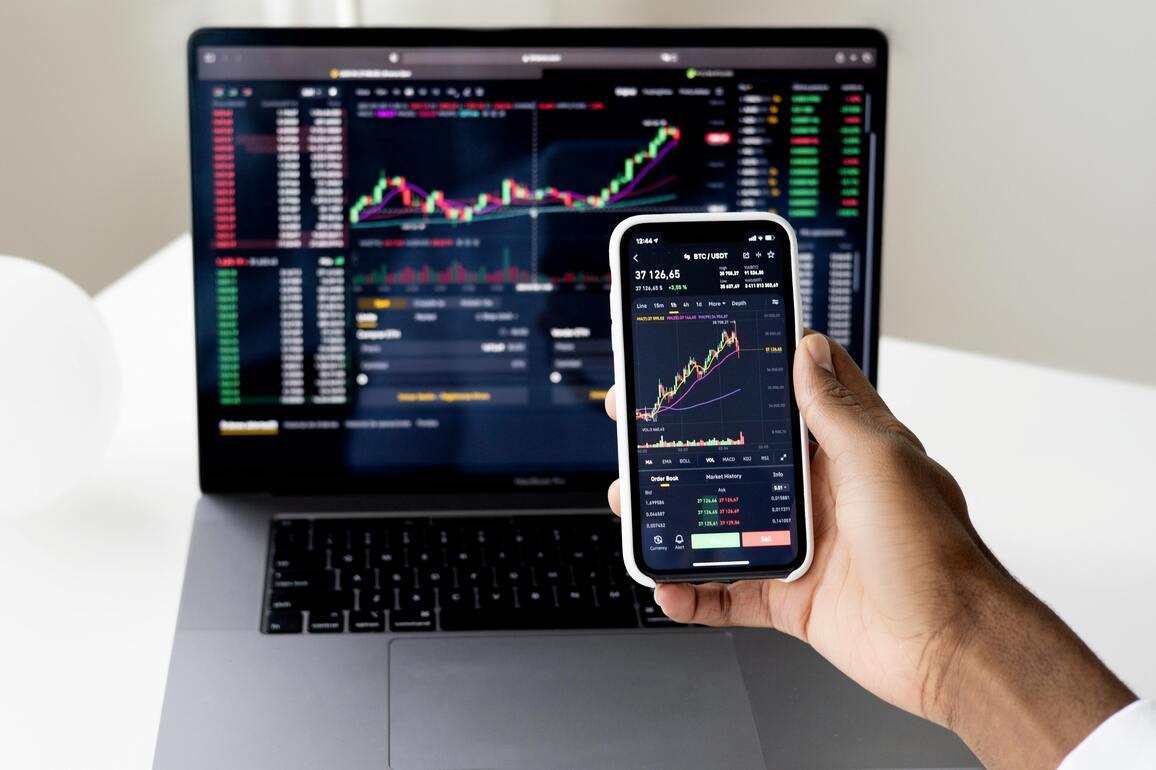
Prediction markets allow users to buy and sell contracts tied to the outcomes of events such as elections, economic policy decisions, and sporting contests.
Trading has surged as investors increasingly use the platforms to gauge likely outcomes before making investment decisions.
Kalshi said earlier this month that annualized trading volume has more than tripled over the past six months to US$178 billion.
According to Dune Analytics, Polymarket's monthly notional volume reached about $10.3 billion in April, up from $3.8 billion a year earlier.
"Economically, the nature of these markets is such that they let you trade not on the market reaction to news, but on the actual news - so there's less risk," said Vincent Gregoire, professor at HEC Montreal.
Both companies have tightened their rules to prohibit trading based on confidential information.
In April, Kalshi banned three U.S. congressional candidates for what it called political insider trading. Polymarket has also removed some war-related contracts following public scrutiny.
"If someone has insider information, they might be way more inclined to act on it on prediction markets than on equity markets," said Charles Martineau, professor at the University of Toronto's business school.